


Frost protection down to −4 °C

Reduces damage to buds, flowers, leaves, and plant tissues by 80% to 100%

Up to 15% higher yield in field trials
Crioprotect® is an innovative formulation, developed from Antactic bacteria and enriched with biopolymers that enhance its protective action against frost, without affecting the environment
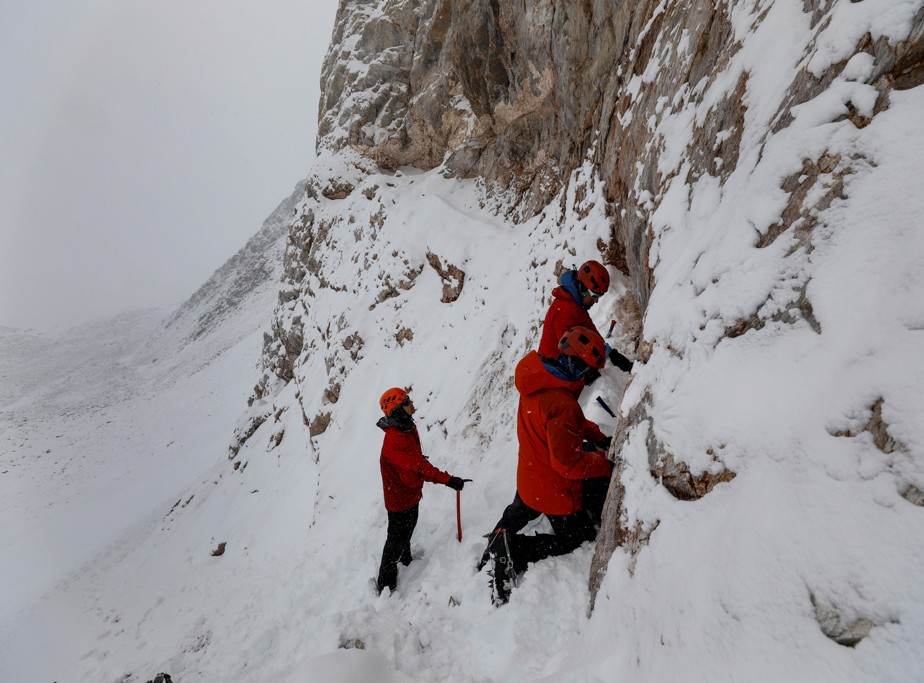
CRIOPROTECT was developed through scientific expeditions conducted in some of the most hostile environments on Earth such as Antarctica and Patagonia in Chile.
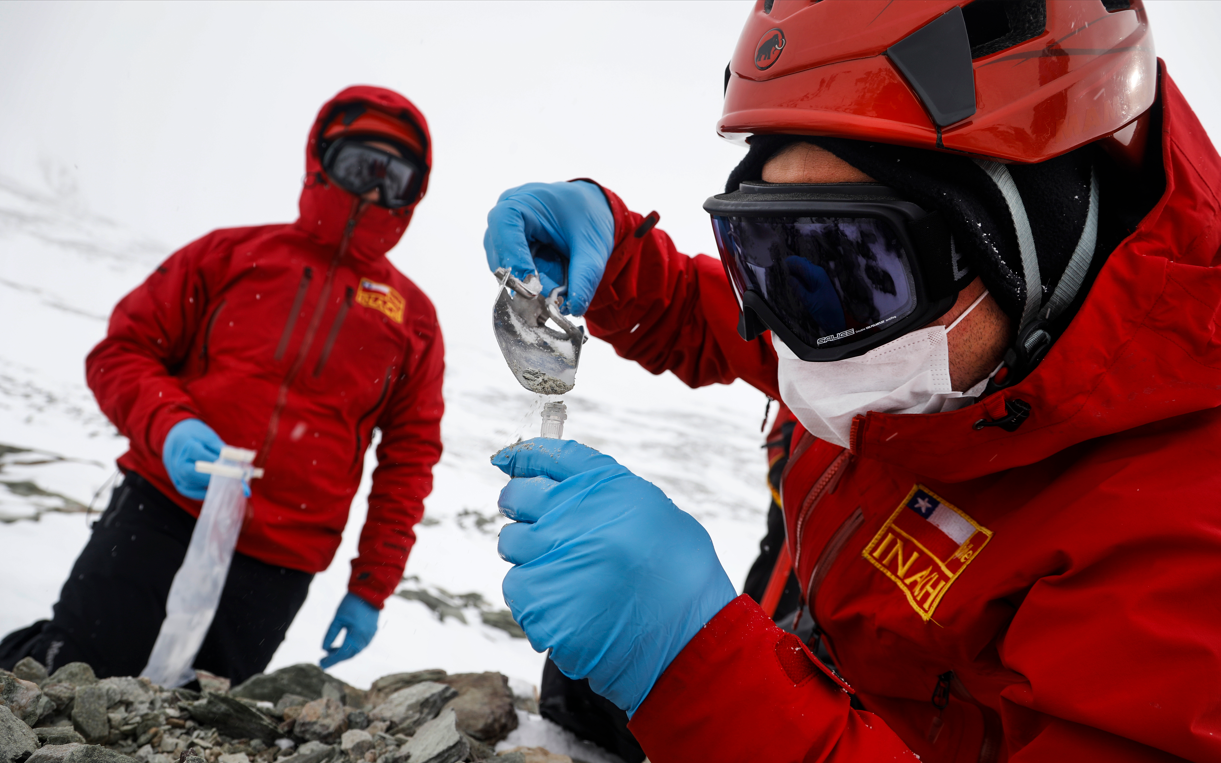
Our researchers have isolated unique Antarctic bacteria. When incorporated into Crioprotect, they create an insulating shield that prevents ice formation and effectively protects crops from freezing down to -4 °C.

This natural innovation is reproduced at our bioproduction facility in Strasbourg. There, our bioreactors prepare highly concentrated batches of Crioprotect prior to shipment.
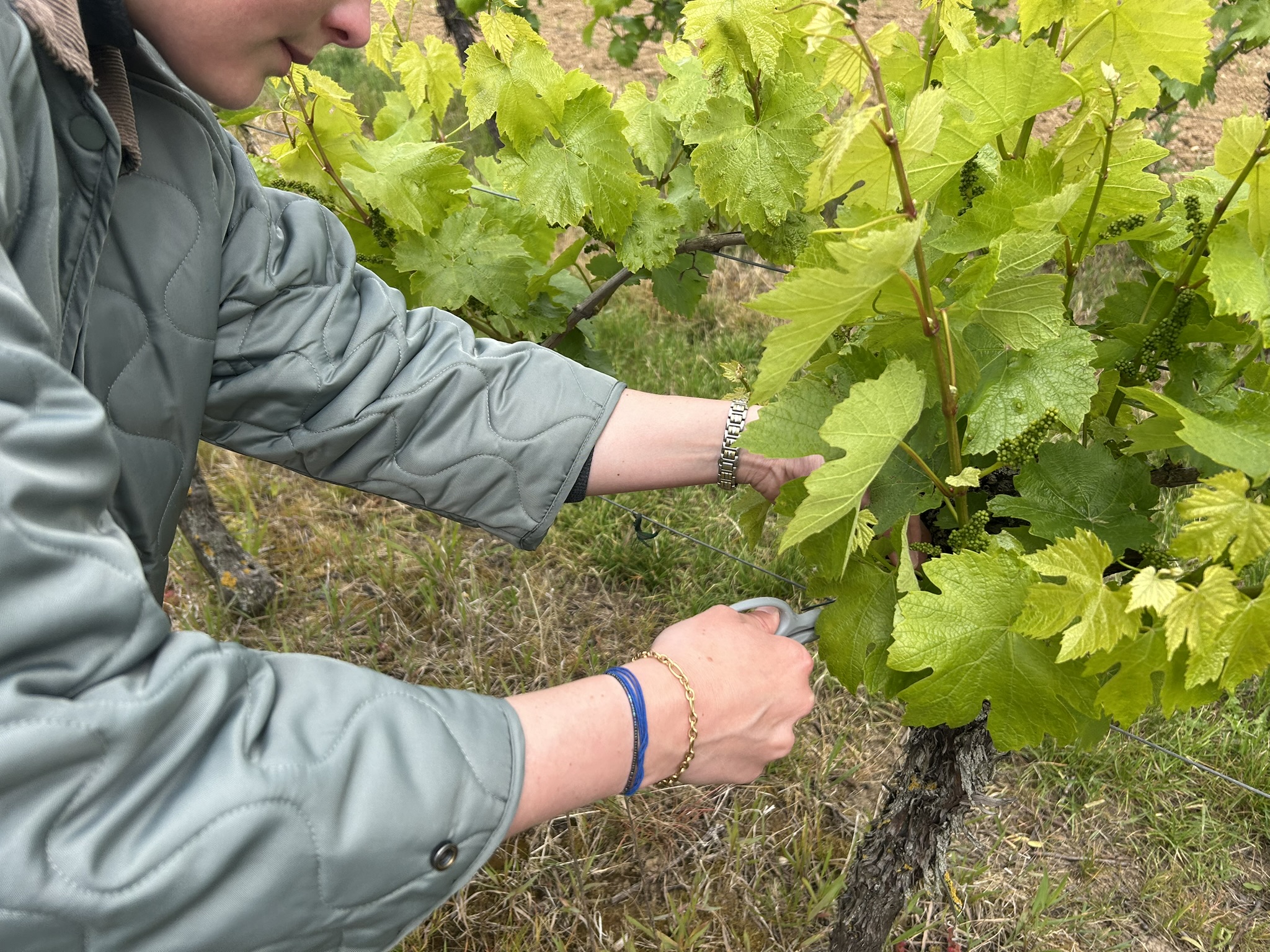
ECOCERT-certified and 100% organic, Crioprotect preserves the soil’s natural microbiome. By replacing anti-freeze towers, it enables farmers to reduce their energy consumption and greenhouse gas emissions by 70 to 90%.
The right biostimulant for your crops. Proven results.
BY PEWMAN INNOVATION EUROPE
Frost protection for sensitive crops. Organic, field-tested, and effective.
Shields against frost damage
100% natural and organic
Proven on 9K+ hectares
No chemical residues
Boosts crop resilience
Safe for all crop types
Easy application process
Supports sustainable farming
our solutions in action
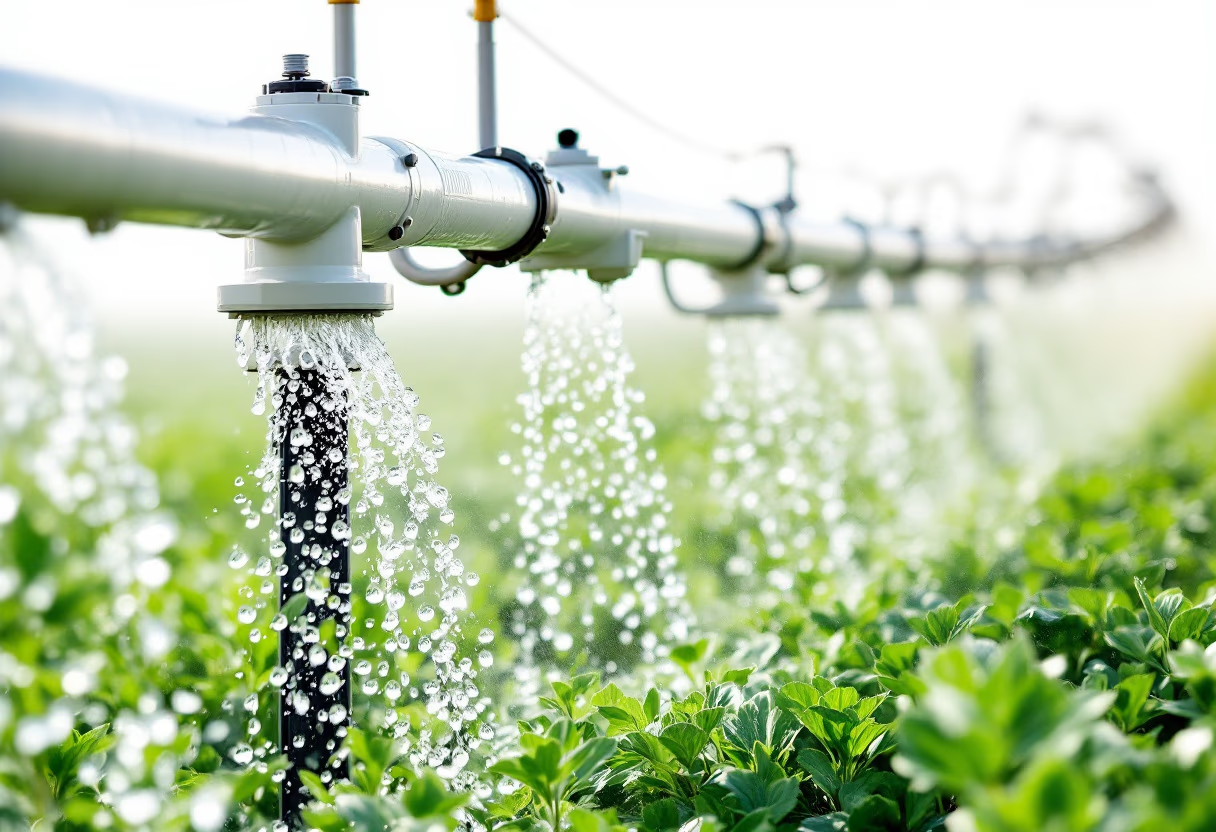


Pewman Innovation introduces Crioprotect, a patented biostimulant that reduces the critical freezing temperature to -4°C, offering unparalleled protection for crops against extreme cold. Already tested and adopted in South America, Crioprotect is coming to Europe to transform the way farmers protect their crops from unpredictable weather conditions.
Crioprotect is a 100% organic biostimulant, the result of more than 15 years of scientific research. To create this revolutionary product capable of protecting crops from frost and drought, our teams conducted expeditions to some of the most extreme environments in the world, from Antarctica to the Atacama Desert. There, they collected organisms capable of surviving very low temperatures and extremely dry conditions. By replicating these natural mechanisms, Crioprotect recreates a protective shield around plants, strengthening their natural defenses to enable them to withstand the most severe climatic conditions.
Crioprotect is used on frost-sensitive crops such as grapevines, cherry trees, potatoes, and avocados.
Normally, Crioprotect should be applied every 14 days, except during periods of expected severe frost.
For optimal effectiveness, we recommend applying Crioprotect 3 days before any potential cold spell, at a rate of 1 liter per hectare. During the risk period, it is advisable to repeat the application every 7 days to maintain constant protection.
The product is generally applied by foliar spraying, which allows it to create a protective shield on the leaves and tissues of the plants.
– Lowers the freezing point of water on plant surfaces.
– Protects crops from frost damage down to at least -4°C (depending on soil characteristics and crop type).
– Preserves crops during frost episodes lasting up to 10 hours.
– Inhibits the presence of ice-nucleating bacteria, responsible for crystal formation.
– Improves the overall appearance and vigorous development of plants.
– Protects not only foliage, but also trunks, stems, and sensitive structures such as buds, shoots, and flowers.
Legal approvals are currently underway to ensure Crioprotect complies with European standards. We plan to officially launch in Europe this winter 2026-2027. If you would like to be the first to know about availability and updates, please leave your email address on our contact page.
Yes, Crioprotect is a 100% organic biostimulant, formulated from natural ingredients derived from research on extreme organisms. It strictly complies with European environmental standards and contains no toxic chemicals or pollutants.
Its use not only protects your crops, but also contributes to sustainable agriculture by promoting soil health and biodiversity.












Organic biostimulants for frost protection.
Harnessing extremophiles for climate-resilient agriculture.